“THe Basque Class”
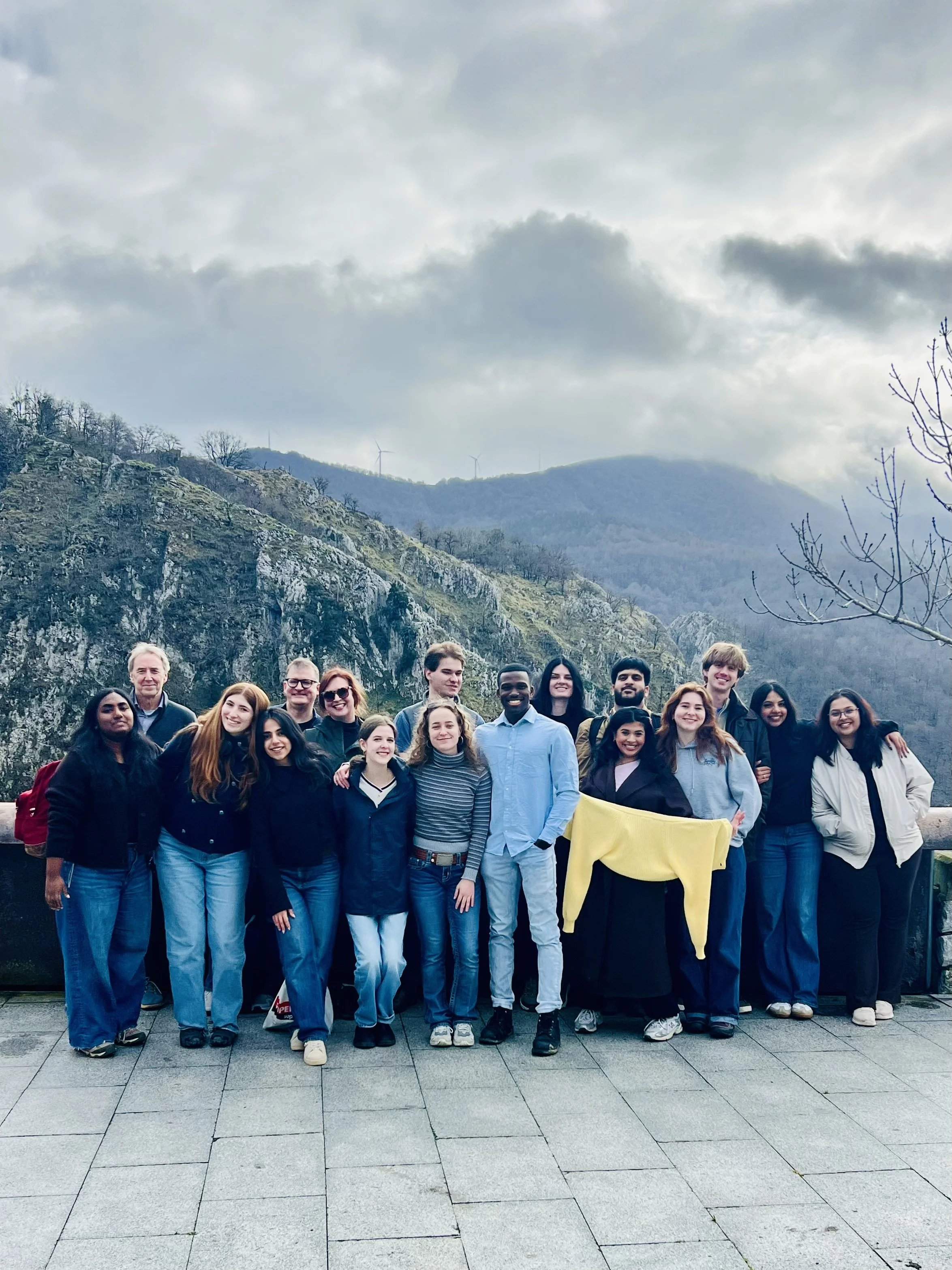
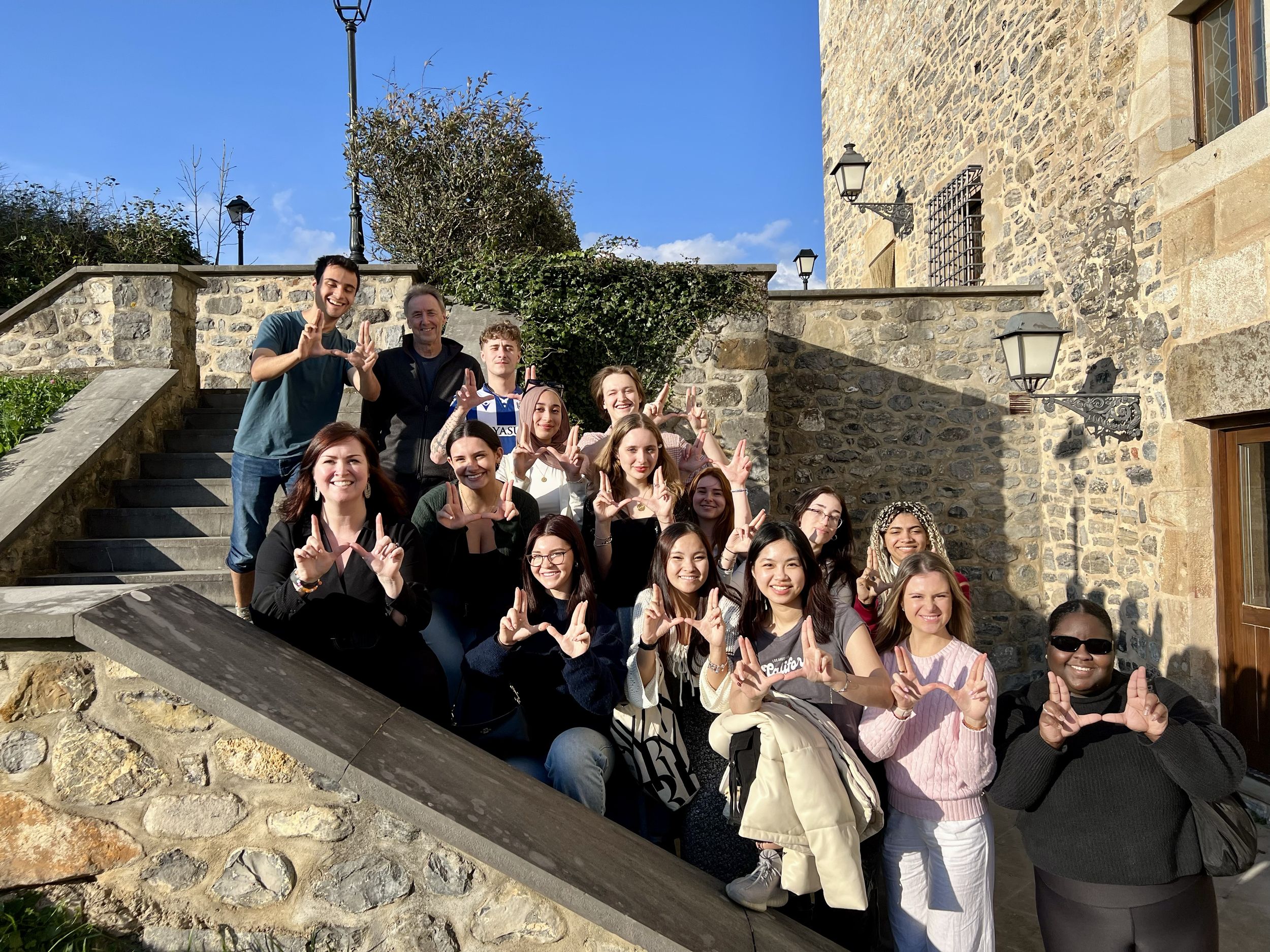
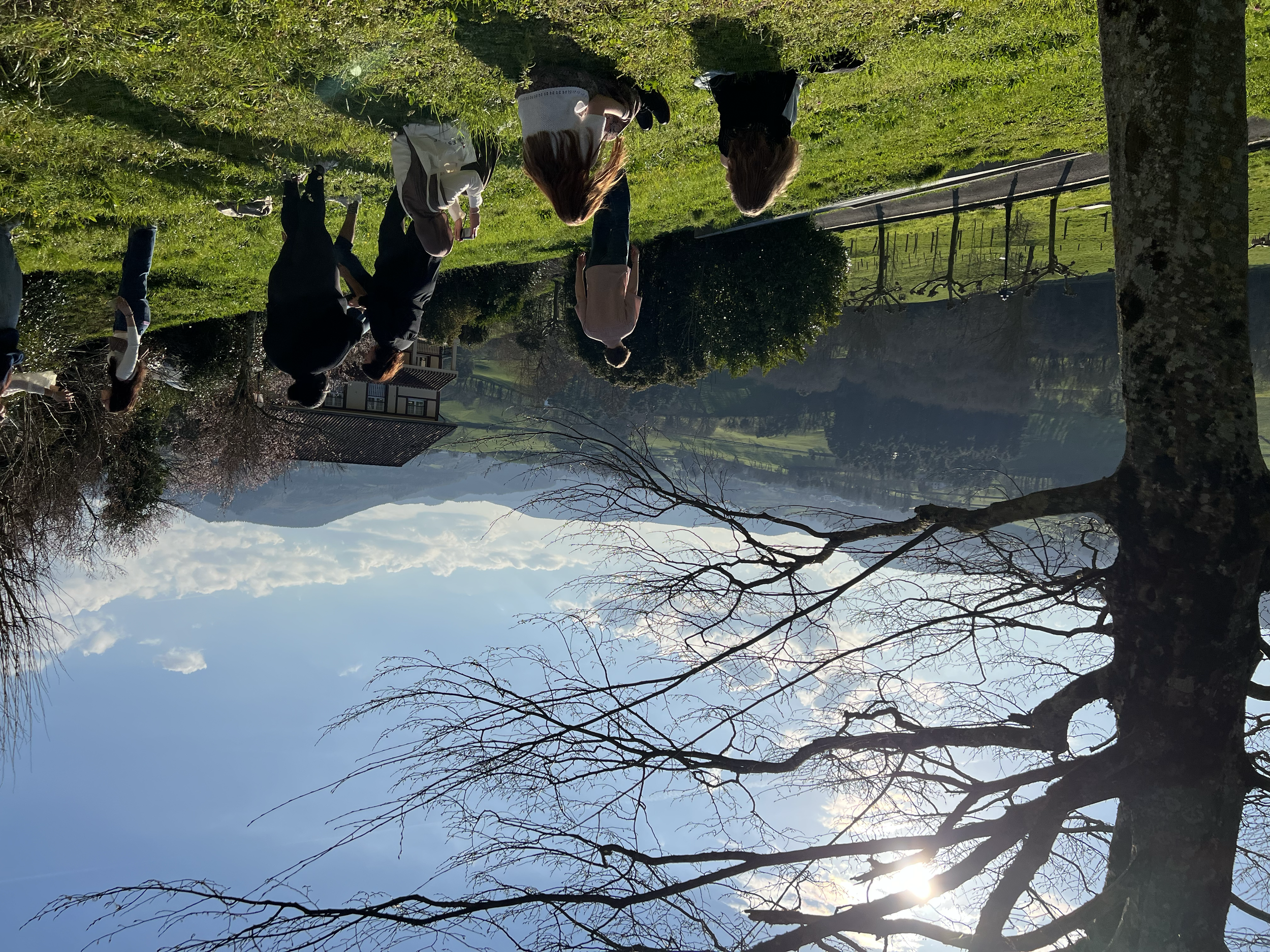
Students in Huron’s Governance, Leadership & Ethics (GLE) Program can learn about collaborative governance by observing it in practice through an experiential learning opportunity in the Basque Country. In this course (GLE4011: Collaborative Governance), students engage in a public policy challenge week hosted at Arantzazulab and students from three Basque universities for an experience that continues to inspire new curiosities for students and faculty alike.
THE VALUE OF INSPIRING EXAMPLES
The Basque Country (an autonomous region nestled between northern Spain and southern France) has taken intentional steps towards strengthening democracy, more meaningfully engaging citizens, and finding more collaborative ways to address pressing policy challenges. Arantzazulab is a Basque democracy lab that has been a key facilitator and driver of this work.
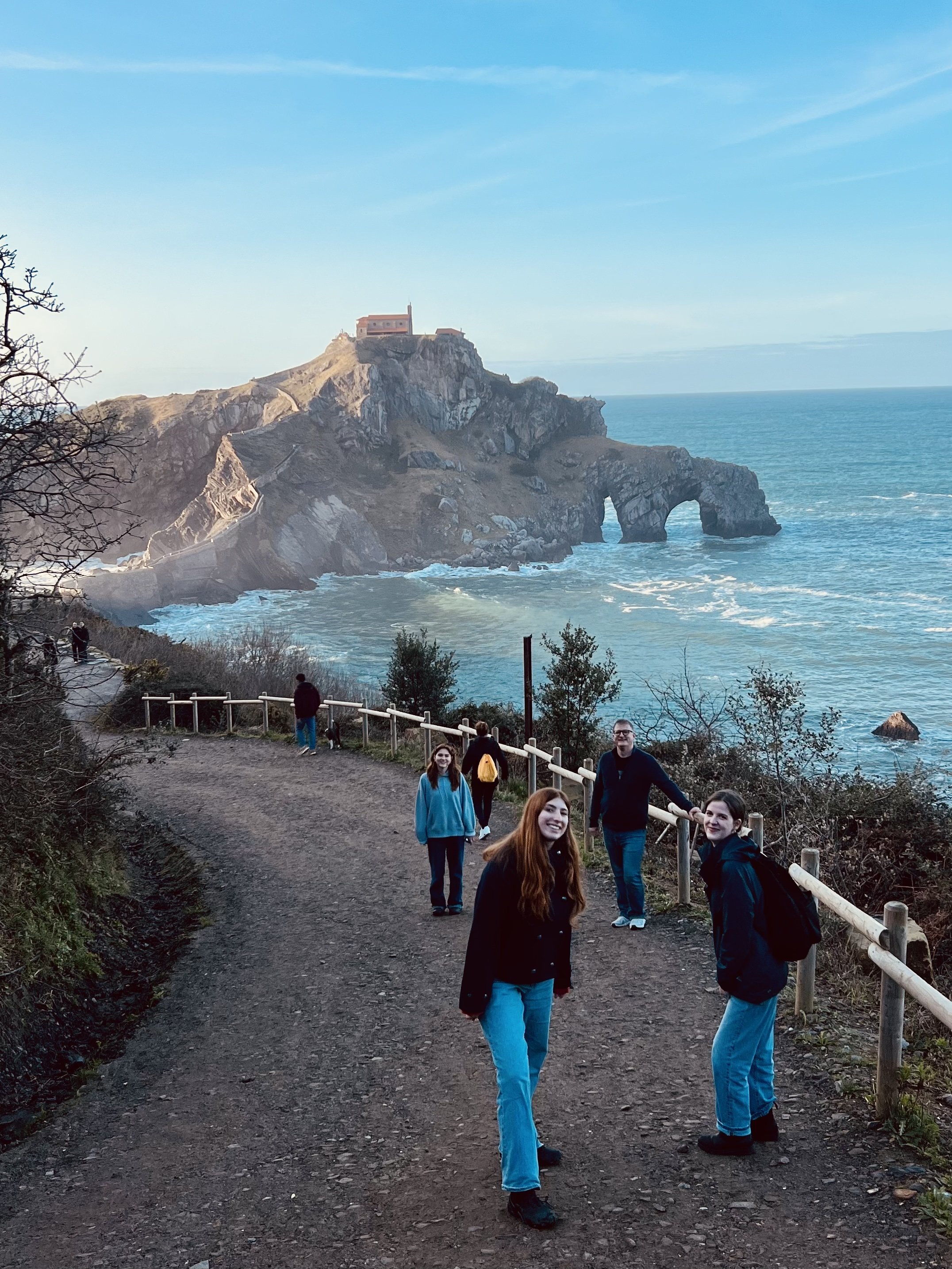
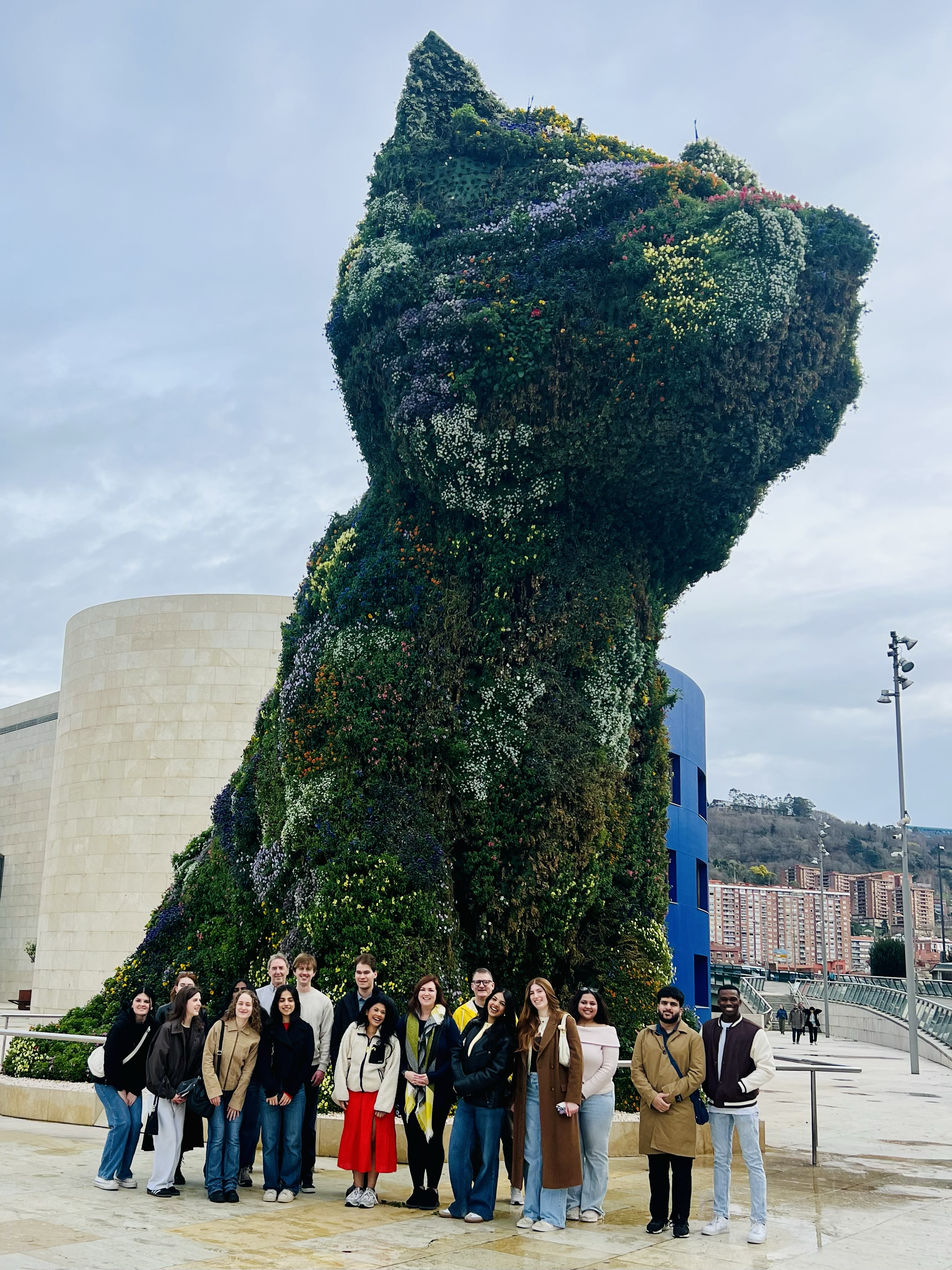
For the past two years, Huron students in the Governance, Leadership & Ethics (GLE) program have travelled to the Basque Country to learn about collaborative governance in practice. We course is taught in partnership with three Basque universities – University of the Basque Country, Mondragon University, and Deusto. All four universities bring faculty and students together for an International Student Challenge Week where the students work in small teams to redesign governance solutions to address specific policy problems. The week also includes learning from faculty across universities, field trips to meet with government and business leaders, and the chance to build skills working collaboratively across languages and cultures.
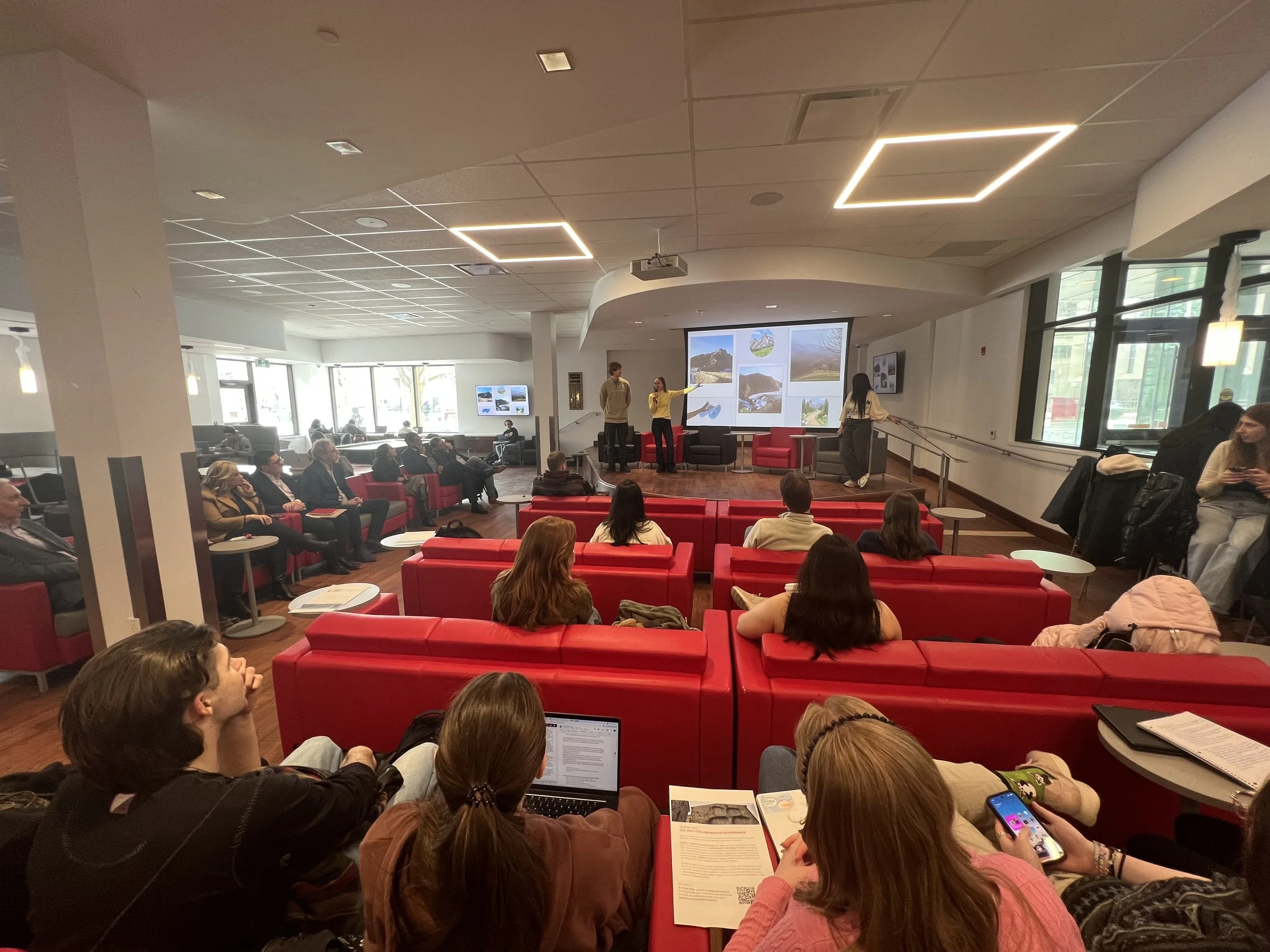
In February 2026, the Huron GLE4011 class engaged in this Challenge Week with a special focus on the intersection of AI and democracy. The students produced projects about how to leverage some of the opportunities AI presents while also addressing the many risks involved.
A New Framework for Collaborative Governance (March 2026)
In 2025, the Government of the Basque Country set out to develop a new collaborative governance framework for the country. This effort emerged in response to some of the pressing challenges facing democracies around the world: declines in trust and engagement, the rise of authoritarianism and polarization, expectations for governments to work faster and better in responding to new challenges faced by their citizens. The Basque Government engaged Arantzazulab to support this work.
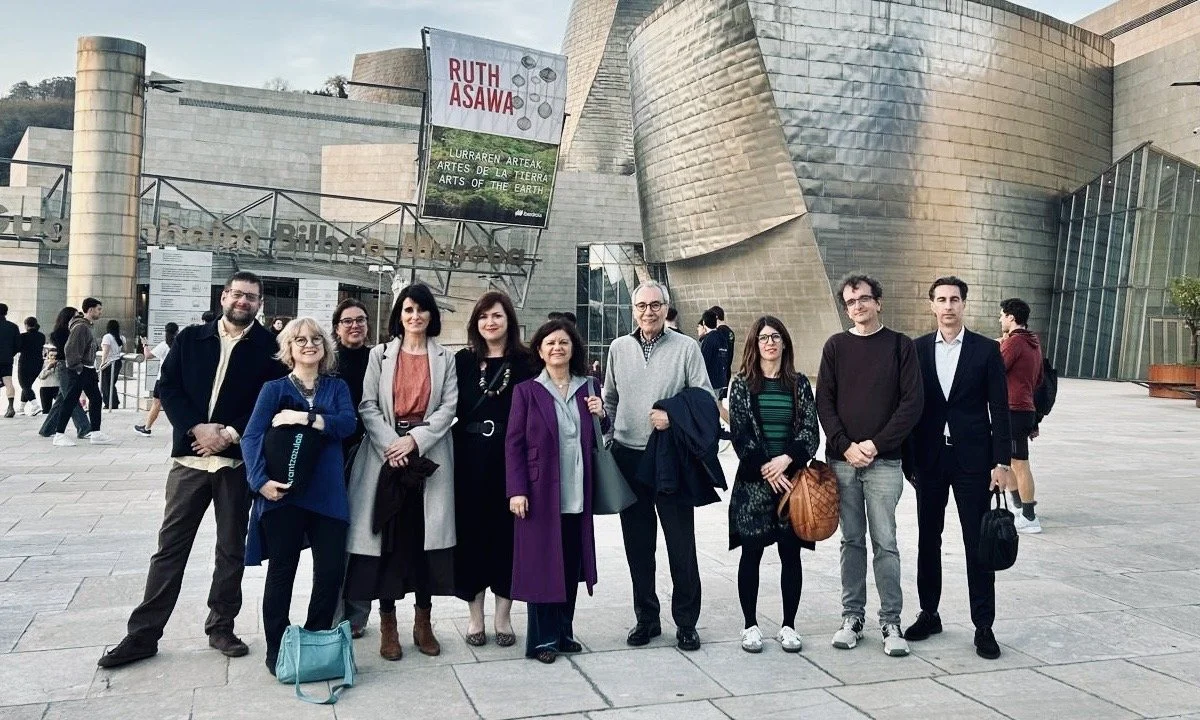
In late 2025, Arantzazulab reached out to 10 international experts for feedback on the draft framework. This list included experts in the area from the US, Australia, the UK, Spain, UAE, Scotland and others who work on collaborative governance. Two Canadians were included: Dr. Neil Bradford and Dr. Kate Graham. The experts were asked to write a written response to the Basque Government’s draft framework. These were submitted in January 2026. The experts were then invited to visit Bilbao and meet with government leaders in person in March 2026. This engagement was described as “the beginning, not the end” with an invitation for continued engagement between the experts and other partners on a global scale who share an interest in the collaborative governance model in their own contexts.
Bringing Inspiration Home to Canada
International experiences are enormously powerful learning experiences for students and faculty alike. Students learn through exposure to new places and cultures, develop the skills of effective collaboration in multi-cultural and multi-linguistic environments, and discover new passions and curiosities.
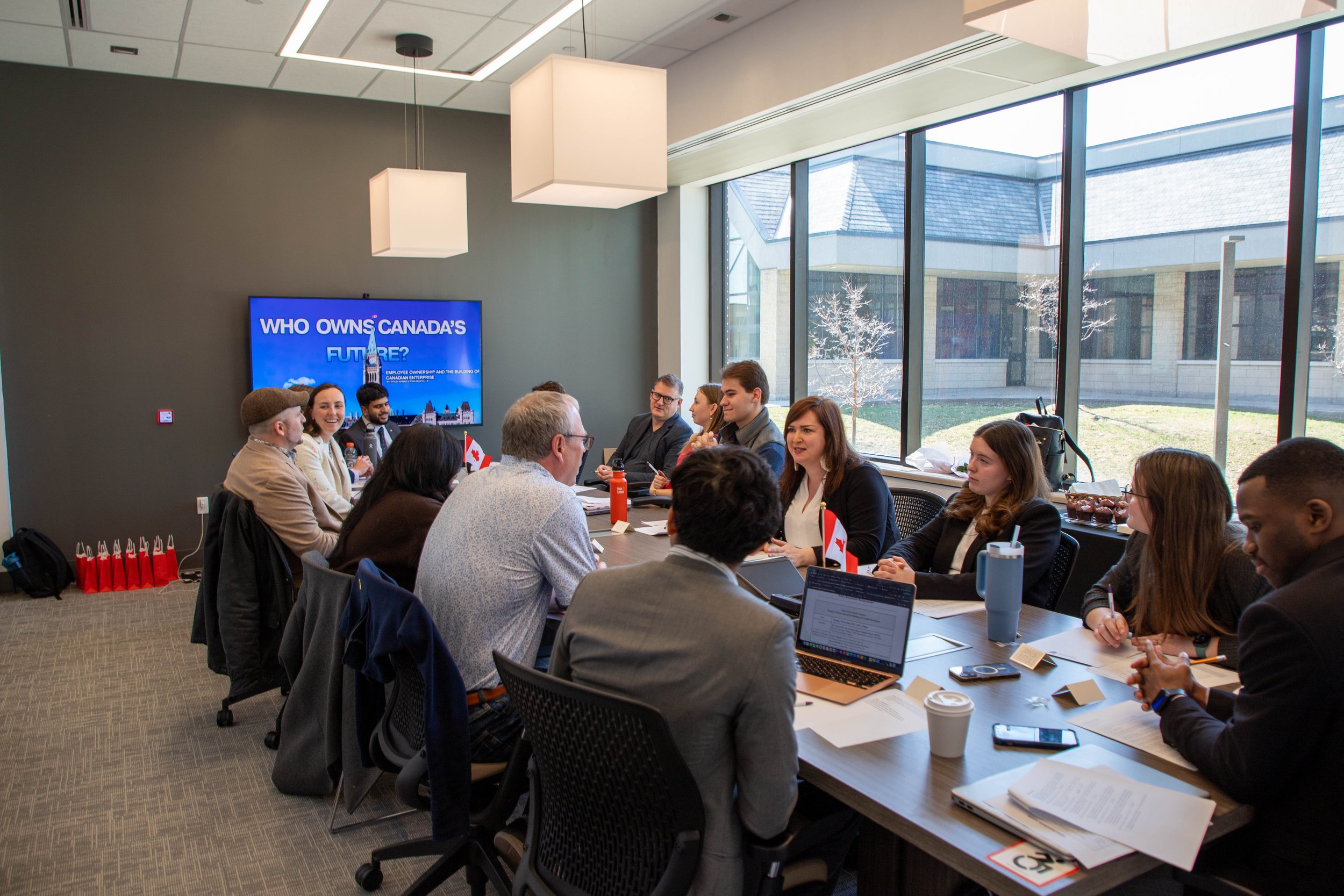
Each year, the trip sparks different kind of activities after the class returns to Canada. This has included several important student research projects presented on campus and beyond, and sometimes political advocacy work. Here’s an example. The trip to the Basque Country includes a visit to the headquarters of Mondragon, the world’s largest industrial cooperative – a venture started by a Basque Priest as a way to provide employment opportunities to keep Basque workers and families in the Basque Region, preserving language and culture. The co-op model means that wealth is widely shared (a voluntary 1:6 ratio of highest to lowest paid employees, with about 80,000 employees now) delivering economic stability for workers and distribution of wealth in communities. On returning home, two GLE students wanted to explore whether this model could work in Canada. For their final project, they convened a roundtable at Huron with business leaders — a conversation that has led to public advocacy and further research presentations.